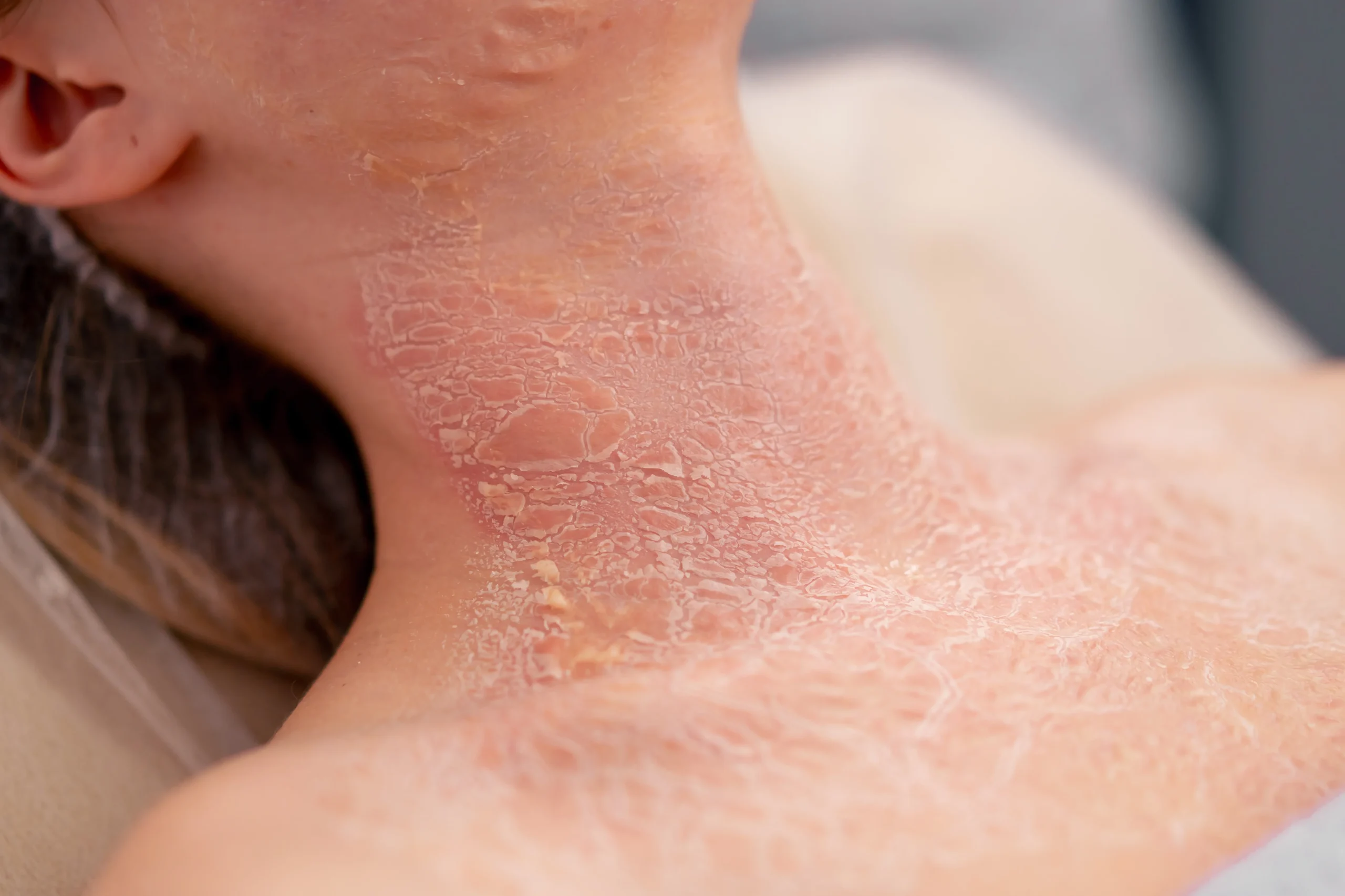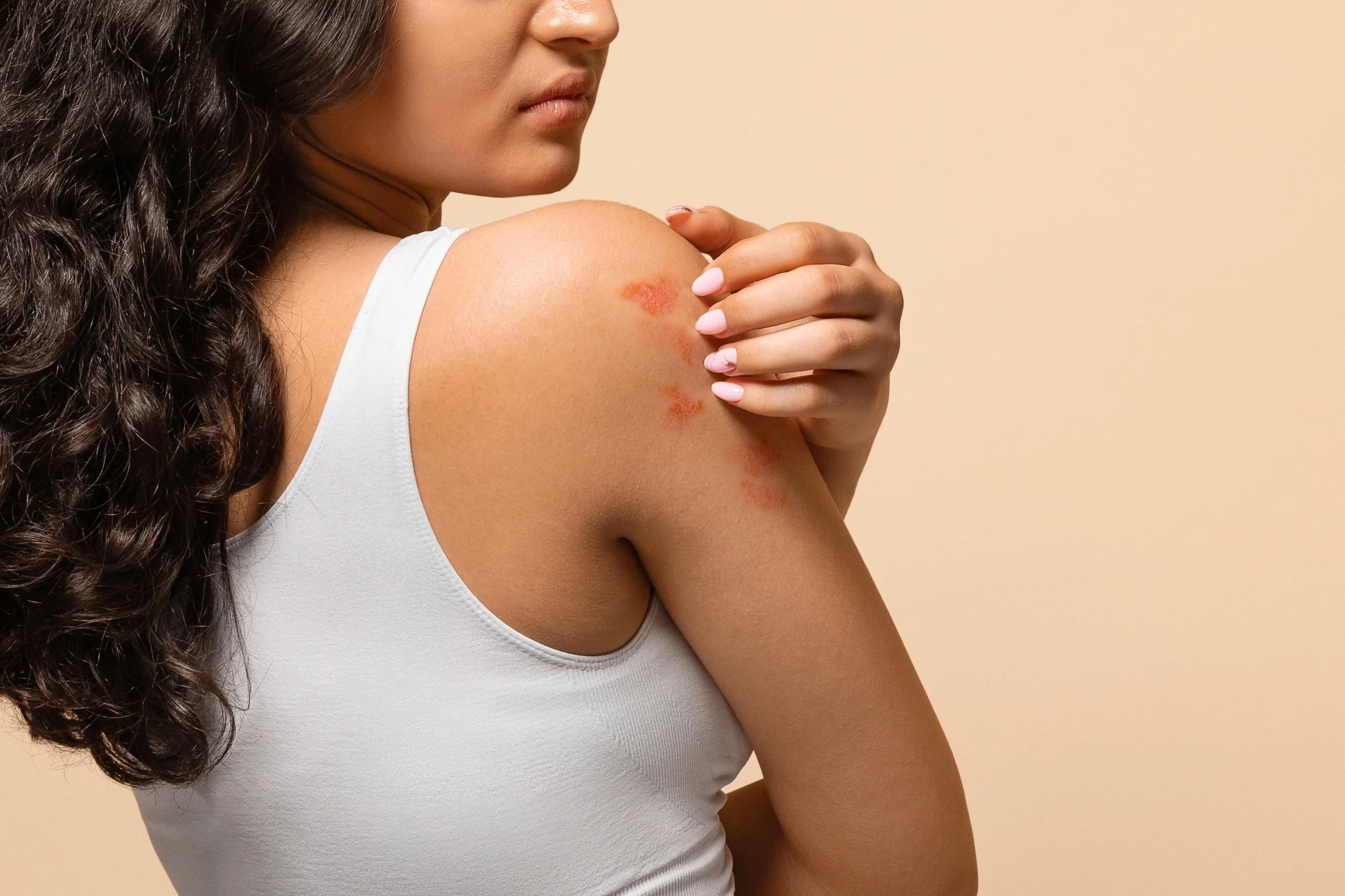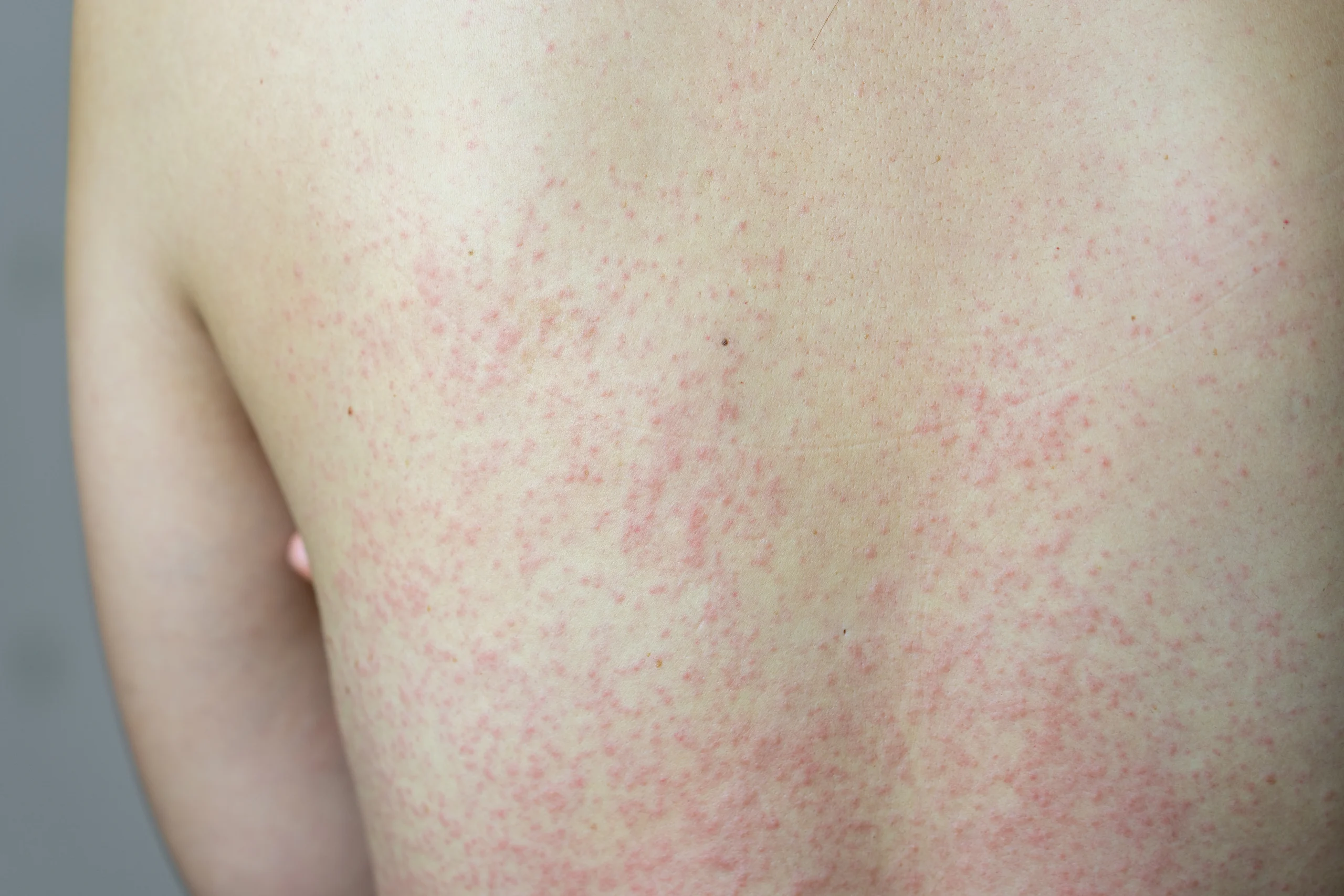
Eczema and dermatitis
Eczema is a chronic condition that can flare due to internal or external stressors. In addition to treating flares it is important to maintain the skin barrier on a daily basis. We recommend that even after treatment, that you follow the maintenance tips below
Maintenance:
- Bathe with warm water. Avoid hot showers or baths. Use gentle soap such as Dove sensitive skin bar soap, Vanicream cleansing bar, or CeraVe hydrating cleanser. No bubble baths, or harsh scrubbing materials to wash the skin
- After bathing, pat dry, then immediately moisturize with cream or ointment – such as CeraVe moisturizing cream
- Avoid scratching: The more you scratch, the more you will itch. Instead apply moisturizer or cold compress.
- Clothing: Avoid harsh fabrics, such as wool. Cut off itchy tags. Launder with fragrance-free detergent such as All Free and Clear, Tide Free and Clear, Molly’s suds fragrance free powder detergent. All Free and Gentle liquid fabric softener, Bounce Free Gentle dryer sheets, Clean People All Natural Fabric Softener Dryer Sheets.
National Eczema Association: Offers support and research updates for eczema and related conditions. www.nationaleczema.org
Psoriasis: What You Need to Know
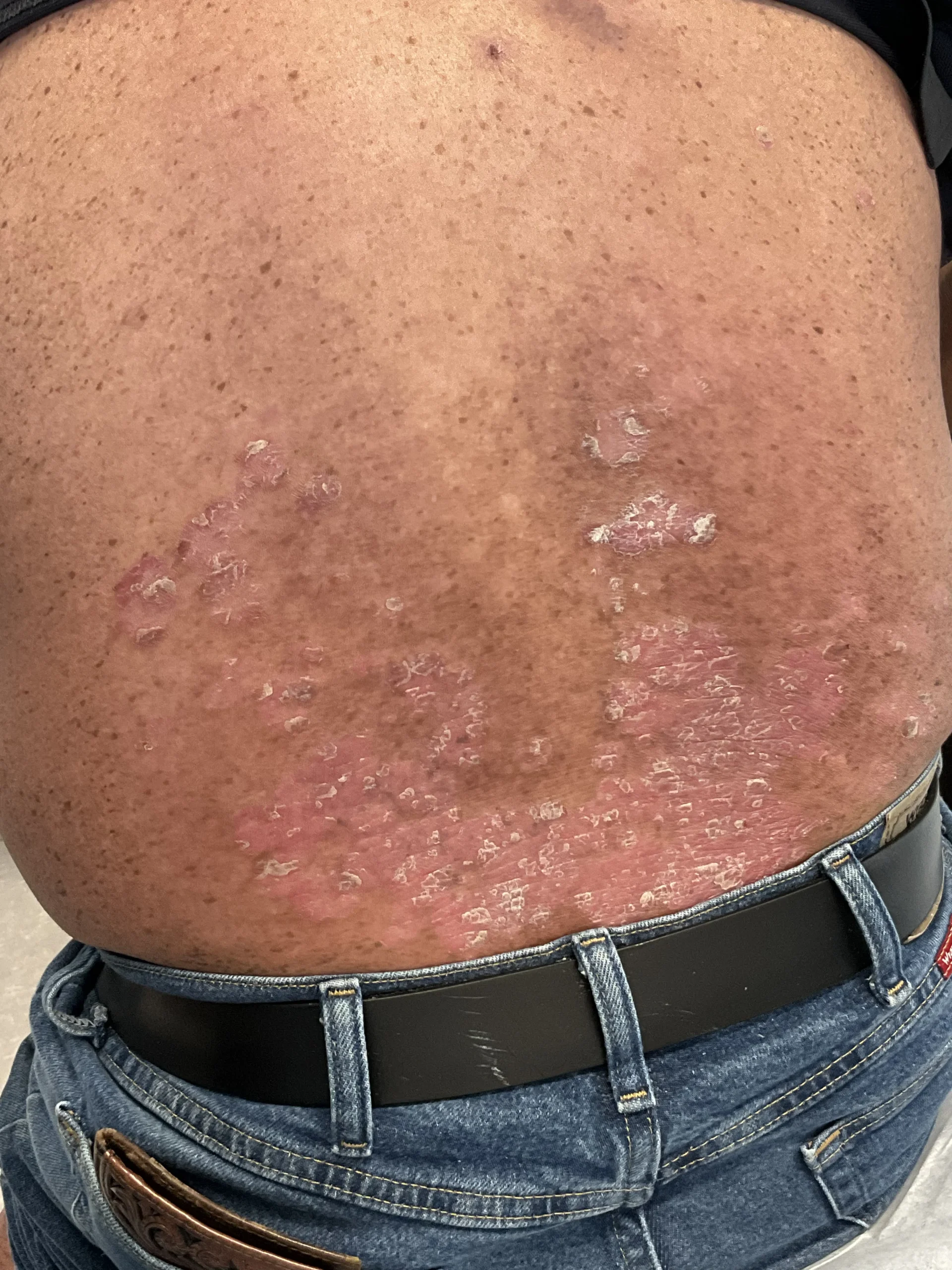
Psoriasis is a chronic skin condition that causes skin cells to multiply too quickly. This leads to thick, scaly pink plaques on the skin often with silvery scale . These patches can be itchy, painful, and sometimes even crack or bleed. Although psoriasis is a long-term condition, many people can manage their symptoms effectively.
Psoriasis is an autoimmune disease where new skin cells are produced much faster than normal. Psoriasis is not contagious and cannot be spread from one person to another.
There are several types of psoriasis, and each one affects the body differently:
- Plaque Psoriasis is the most common form. It appears as red, raised patches with a layer of white or silver scale. These plaques often appear on the elbows, knees, scalp, and lower back.
- Guttate Psoriasis usually begins in childhood or young adulthood. It looks like small, pink spots on the skin and is often triggered by infections such as strep throat.
- Inverse Psoriasis causes bright red, smooth patches that occur in skin folds such as under the arms, behind the knees, or under the breasts.
- Pustular Psoriasis presents with white blisters filled with pus, surrounded by red skin. It most commonly appears on the hands and feet.
- Erythrodermic Psoriasis is a rare but serious form that leads to widespread redness, severe itching, and burning. It requires immediate medical attention.
Psoriasis symptoms can flare up due to certain triggers. Understanding and avoiding these can help you manage the condition more easily. Some common triggers include:
- Emotional stress
- Infections such as strep throat
- Trauma or Injury to the skin like cuts or sunburn
- Certain medications
- Cold, dry weather
Treatment depends on the type and severity of psoriasis. A dermatologist can help you choose the best option. Some common treatments include:
- Topical Treatments such as corticosteroid creams, moisturizers, and vitamin D creams
- Phototherapy or light therapy, which uses ultraviolet light to slow the growth of skin cells
- Systemic Medications like biologic drugs or oral treatments, which work throughout the body and are often used for more severe cases
Rashes and Allergic Reactions
Rashes and itching can be caused by many different triggers including medications, autoimmune disease, allergic reaction to foods or environment, hormone imbalances, stress. A thorough history regarding where the location, duration, and associated symptoms like itch or pain can help determine possible causes. Sometimes additional blood tests or even a skin biopsy may reveal additional clues. If the rash comes and goes quickly, please take photos and make sure you bring a complete medication list.