What Is Mohs Surgery? A Honolulu Patient's Guide to Skin Cancer Treatment

Hearing the words "skin cancer" is never easy. The good news is that the most common skin cancers are highly treatable, especially when caught early. For many patients, one treatment stands out: Mohs micrographic surgery.

If your dermatologist has recommended Mohs, or you simply want to understand your options, this guide walks you through what it is, how it works, and what to expect from start to finish.

What Is Mohs Surgery?

Mohs surgery is a specialized technique for removing skin cancer one thin layer at a time. It was developed by Dr. Frederic Mohs in the 1930s and has since been refined into one of the most precise skin cancer treatments available.

What makes it different is that the tissue is examined under a microscope during your procedure, not days later. Your surgeon checks 100% of the edges of each removed layer. If cancer cells remain, they remove another thin layer only where those cells were found. The process repeats until the area is clear.

The result is two things patients care about most: a very high cure rate and the smallest possible wound.
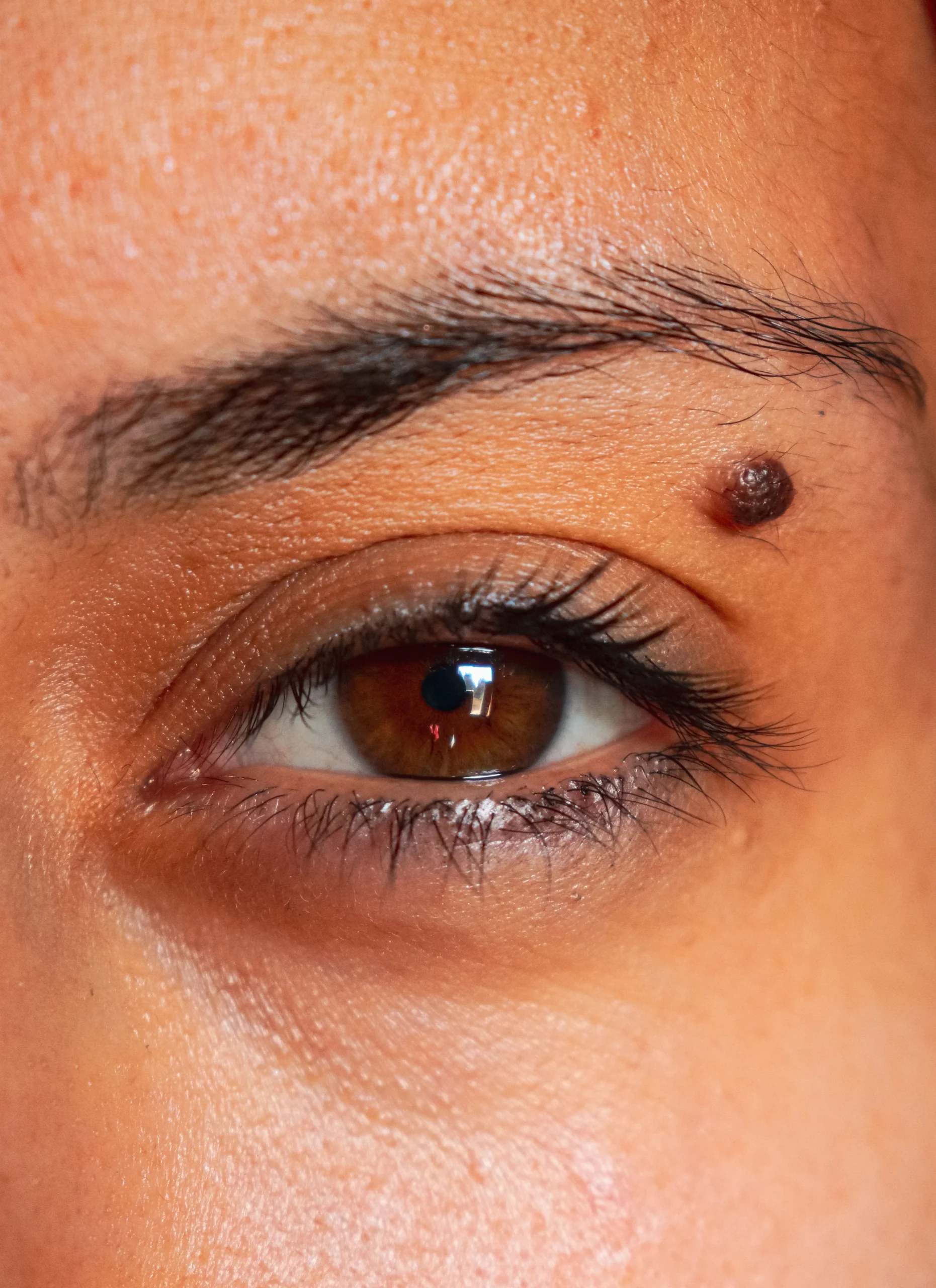

Why Mohs Preserves Healthy Skin


Standard excision removes the visible tumor plus a fixed margin of normal-looking skin around it, “just in case.” The removed tissue is then sent to a lab, and only a sample of the edges is checked.

Mohs works differently. Because every edge is examined in real time, your surgeon can follow the cancer’s exact path, including roots that aren’t visible to the eye, while leaving healthy tissue alone.

That matters most in places where every millimeter counts:

  • The nose, eyelids, lips, and ears
  • The scalp and face
  • The hands, feet, and other areas where function and appearance are important

Mohs Surgery Success Rates


For basal cell carcinoma and squamous cell carcinoma, the two most common skin cancers, Mohs offers among the highest cure rates of any treatment. For first-time basal cell carcinomas, cure rates are commonly reported at up to 99%. It's also highly effective for skin cancers that have come back after previous treatment.

Who Is a Good Candidate?


Mohs is not necessary for every skin cancer, but it is often recommended when:

  • The cancer is on the face, ears, neck, scalp, hands, feet, or genitals
  • The tumor is large, growing quickly, or has unclear borders
  • The cancer has returned after earlier treatment
  • The cancer type is considered aggressive
  • The patient has a weakened immune system


Your dermatologist will review your biopsy results and the location of the cancer to decide whether Mohs is the right choice for you.

What to Expect on Surgery Day

Mohs is done in the office under local anesthesia, so you stay awake and comfortable, and there is no general anesthesia or hospital stay. Here's how a typical day goes:

Step 1 of 5

Preparing the area

The site is cleaned and numbed with a local anesthetic.

Step 2 of 5

Removing the first layer

Your surgeon removes the visible cancer along with a thin layer of surrounding tissue. This usually takes just a few minutes.

Step 3 of 5

Lab analysis

While you wait with a temporary bandage, the tissue is processed in an on-site lab and mapped so its exact position is recorded. Your surgeon then examines every edge under the microscope. This step often takes 45 to 90 minutes.

Step 4 of 5

Repeating if needed

If cancer cells remain, your surgeon removes another layer only from that exact spot. Many patients are clear after one or two layers.

Step 5 of 5

Repairing the wound

Once the margins are clear, your surgeon closes the wound, often the same day. Options range from simple stitches to letting it heal naturally, or a skin flap or graft for larger areas.

Tip Plan to spend most of the day with us. Bring a book, a snack, and a light jacket, and arrange for someone to drive you home if the surgery is near your eyes.

Why Skin Checks Matter in Hawaii

Living in the islands means sunshine nearly every day of the year, and UV levels in Hawaii stay high in every season. Time at the beach, on the water, on the trails, or simply commuting adds up.

That's why regular skin exams are so important. Once a year is a good baseline for most adults, and more often if you've had skin cancer before or have many moles. Between visits, check your own skin monthly and watch for:

Signs to watch for

  • A new spot or growth
  • A sore that doesn't heal, or heals and comes back
  • A shiny, pearly, or pink bump
  • A scaly or crusted patch
  • Any mole that changes in size, shape, or color
Don't forget the places that are easy to miss:
  • Your scalp
  • Ears
  • Backs of your hands
  • Feet

Expert Skin Cancer Care at Waterfront Dermatology


At Waterfront Dermatology, Dr. Noh provides Mohs micrographic surgery with precision and compassion. From your first skin check to your final follow-up, our team is here to guide you through every step.

Expert Skin Cancer Care at Waterfront Dermatology

At Waterfront Dermatology, Dr. Iris Noh, MD, FACMS, FAAD, provides Mohs micrographic surgery with precision and compassion. From your first skin check to your final follow-up, our team is here to guide you through every step.

Noticed a spot that concerns you?

Book a skin check or Mohs consultation today.

This article is for educational purposes only and is not a substitute for professional medical advice. Please consult a dermatologist about your specific condition.