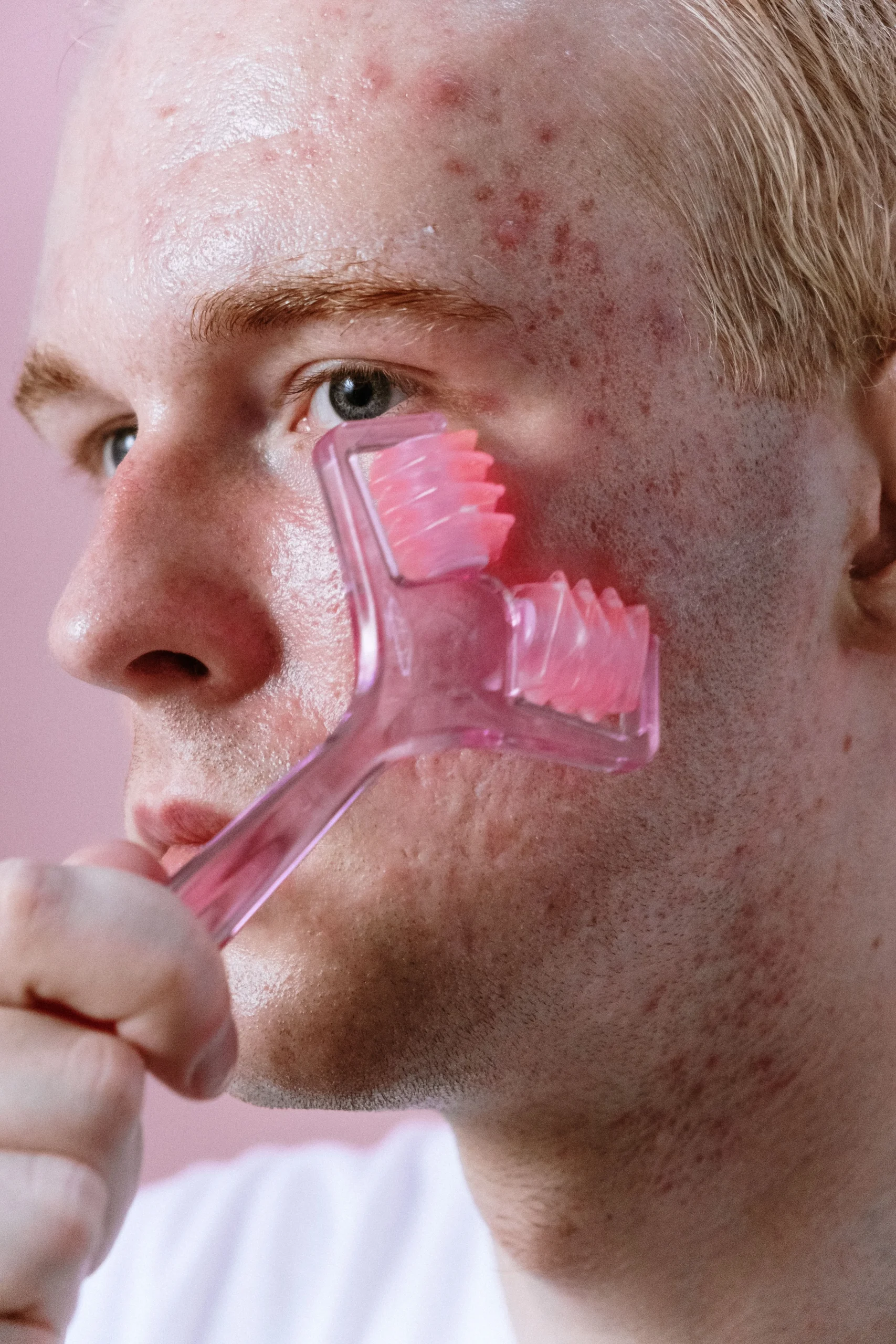
Adult Acne in Your 30s and 40s: Causes and Treatments That Actually Work

You made it through your teenage years and assumed breakouts were behind you. Then, somewhere in your 30s or 40s, they came back, maybe along your jawline, maybe on your chin, maybe in places you never broke out before.

If that sounds familiar, you're not alone. Adult acne is very common, especially among women, and it's one of the most frequent reasons people visit a dermatologist. The good news: it's highly treatable once you understand what's driving it.

Why Adult Acne Happens

Acne at any age starts the same way: pores get clogged with oil and dead skin cells, bacteria join in, and inflammation follows. But in adults, the triggers are often different from those of teenage acne.

Hormones – Fluctuations around your menstrual cycle, pregnancy, perimenopause, or stopping

birth control can all trigger breakouts. Hormonal acne often shows up as tender bumps along

the jawline, chin, and neck. In some cases, acne alongside irregular periods or excess hair

growth can point to a condition like PCOS, which is worth discussing with your doctor.


Stress – Stress hormones can increase oil production. Many people notice flare-ups during

busy seasons at work or at home.


Skincare and hair products – Heavy creams, some makeup, and oily hair products can clog

pores, especially along the hairline and forehead.


Certain medications – Some medicines, including corticosteroids and a few others, can cause

breakouts as a side effect. Never stop a prescribed medication on your own; talk with your

doctor first.


Hawaii’s climate –  Heat, humidity, and sweat can make clogged pores more likely, and friction

from hats, helmets, and masks can trigger breakouts where they rub.

Common Adult Acne Myths


"Sun clears up acne." A tan may temporarily hide redness, but sun exposure can darken acne marks and increase skin damage. Many acne treatments also make your skin more sun-sensitive.

Acne Treatment Options | Waterfront Dermatology

Treatment Options That Work

Every person's skin is different, which is why the best results come from a personalized plan. Your dermatologist may recommend a combination of:

  • Prescription topical treatments

    Retinoids help keep pores clear and are a cornerstone of acne care. Other options, including azelaic acid and combination prescriptions, target bacteria, inflammation, and dark marks.

  • Oral medications

    For moderate to severe acne, a short course of oral antibiotics can calm inflammation. For many women with hormonal acne, hormone-balancing options can be very effective. For severe or scarring acne that hasn't responded to other treatments, isotretinoin may be an option, with careful monitoring.

  • In-office treatments

    Chemical peels and professional extractions can speed up results. A quick cortisone injection can calm a painful cyst within days.

  • Treatments for scars and dark marks

    Once breakouts are under control, treatments like laser therapy and microneedling can improve acne scars and uneven skin tone.

A note on dark marks: Dark marks left behind by acne are especially common in medium and deeper skin tones, so treating early, and protecting your skin from the sun, makes a big difference.

What Your Visit Looks Like

At Waterfront Dermatology, treating acne follows three simple steps:

  1. Consultation

    Board-certified dermatologist Dr. Iris Noh takes time to understand your skin, your history, and what you've already tried.

  2. Your custom treatment plan

    You'll leave with a clear plan tailored to your skin type, triggers, and goals, including which products to use and when.

  3. Follow-up and support

    Acne treatment takes time. We'll check in, adjust your plan as needed, and help you stay on track.

    Most people see real change in 8 to 12 weeks
Simple Daily Habits for Clearer Skin | Waterfront Dermatology

Simple Daily Habits That Help

Tap each habit as you do it today.

0 of 5 done today

Clear Skin Is Possible at Any Age

Adult acne can be frustrating, but you don't have to figure it out alone. With the right diagnosis and a plan built for your skin, most people see real improvement.

Ready for clearer skin? at Waterfront Dermatology


At Waterfront Dermatology, Dr. Noh provides Mohs micrographic surgery with precision and compassion. From your first skin check to your final follow-up, our team is here to guide you through every step.

Expert Skin Cancer Care at Waterfront Dermatology

At Waterfront Dermatology, Dr. Iris Noh, MD, FACMS, FAAD, provides Mohs micrographic surgery with precision and compassion. From your first skin check to your final follow-up, our team is here to guide you through every step.

Noticed a spot that concerns you?

Book a skin check or Mohs consultation today.

This article is for educational purposes only and is not a substitute for professional medical advice. Please consult a dermatologist about your specific condition.